
Meet us in
Santa Monica

The Future of CCUS Summit is the premier gathering for anyone involved in the development and deployment of climate solutions.

.png)

Program Themes
Corporate Sustainability: High-Integrity, Long-Term Removal Priorities
This session explores the actions organizations are taking to meet their sustainability targets and the focus on approaches that are scientifically credible, transparent, and built to last.
Building Industrial Carbon Solutions: How the Pieces Fit Together
The session will also highlight real-world case studies that demonstrate how companies are integrating multiple strategies to drive measurable impact.
101: California Corporate Emissions Reporting and Financial Disclosure
In this session, you will hear from the California Air Resources Board Branch Chief responsible for California’s Corporate Greenhouse Gas (GHG) Reporting and Climate Related Financial Risk Disclosure Programs. At the end of February, the California Air Resources Board approved regulations and the first year deadline for the Climate Corporate Data Accountability Act, specifying key definitions and applicability.
This session will address upcoming (2027) data assurance and data verification requirements.
Additionally, you will learn about:
- What is due August 10, 2026
- Nuances of initial regulations and first year reporting requirements
- Preparations for Scope 3 emissions reporting in 2027
- Pathways for developing data assurance and data verification requirements
- The long-term plan for GHG Reporting and Financial Risk Disclosure Programs (Senate Bill 253 and Senate Bill 261) implementation
Getting to Liftoff for First-of-a-Kind Projects
- Learn about the California Energy Commission’s Industrial Decarbonization and Improvement of Grid Operations (INDIGO) as well as the Carbon Removal Innovation Support Program (CRISP).
- Explore a case study of one of National Cement’s industrial operations.
- Hear from the investors at Breakthrough Energy about what it really takes to get liftoff for a project, exploring structural dynamics and risk management for financing
Leveraging the Water Energy Nexus to Lower Costs through Automation
By engaging utilities during siting and conceptual design, project teams can select optimal source waters, streamline approvals, and develop highly efficient water treatment systems that reduce both capital cost and schedule risk for DAC facilities. On the operational side, an automation architecture that brings together sensor data, water system balance of plant assets, and DAC process units, guided by modern lifecycle standards such as ISA112, reduces redundancy, improves reliability, and lowers long term operating costs.
Together, these approaches show that thoughtful planning of water infrastructure and control systems is not a secondary consideration but a fundamental lever for improving energy efficiency, accelerating deployment, and helping drive the cost reductions needed for large scale DAC growth.
Leveraging High Performance Computing’s Demand for Energy to Support AI
In this session we will explore the landscape of competing interests for AI companies, and the varying importance some place on sourcing carbon free power. The session will also cover how CCUS can help provide carbon-free power by examining the Orchard Power project’s case study and how such projects can be replicated across the globe.
From being able to pair CCUS technology with various types of differing power generating equipment (e.g., fuel cells, combined cycle turbines, etc.) to best practices for making a project viable from concept to reality, the session will address a pragmatic approach to decarbonizing reliable generation. Conditions to consider during early engineering feasibility and cost assessments will also be discussed.
Assessing Market Confidence and Future Trends
We will discuss where the carbon markets are headed and how to confidently engage with them in a rapidly changing landscape.
Insuring Carbon Capture and Storage: 45Q Tax Credit Risk Management
This session will focus on 45Q tax credit validity and recapture risk. The Section 45Q tax credit is a key contributor to the financial viability of carbon capture and storage projects and thus, it is essential to understand how insurers examine entitlement to eligibility of the tax credits and the different ways tax authorities could challenge the validity of credits.
Additionally, the session will cover the particulars around how tax credit recaptures rules works and provide you with an insider perspective on how insurers examine leakage pathways, mitigants, and containment plans developed by the project sponsor to understand how risk of a leakage event could interact with the loss of tax credits. From the importance of precisely translating engineering risk for non-engineers to the due diligence required during the underwriting process, learn from the insurers behind the first 45Q recapture policies.
101: Carbon Credits and Compliance Market Opportunities Across the Globe
We’ll cover the basics of carbon credits, what they are, how they’re created, and how they’re traded, alongside an overview of compliance markets such as emissions trading systems and carbon taxes.
Participants will explore key regional programs across North America and Europe and learn how voluntary and regulated markets differ in structure, purpose, and impact.


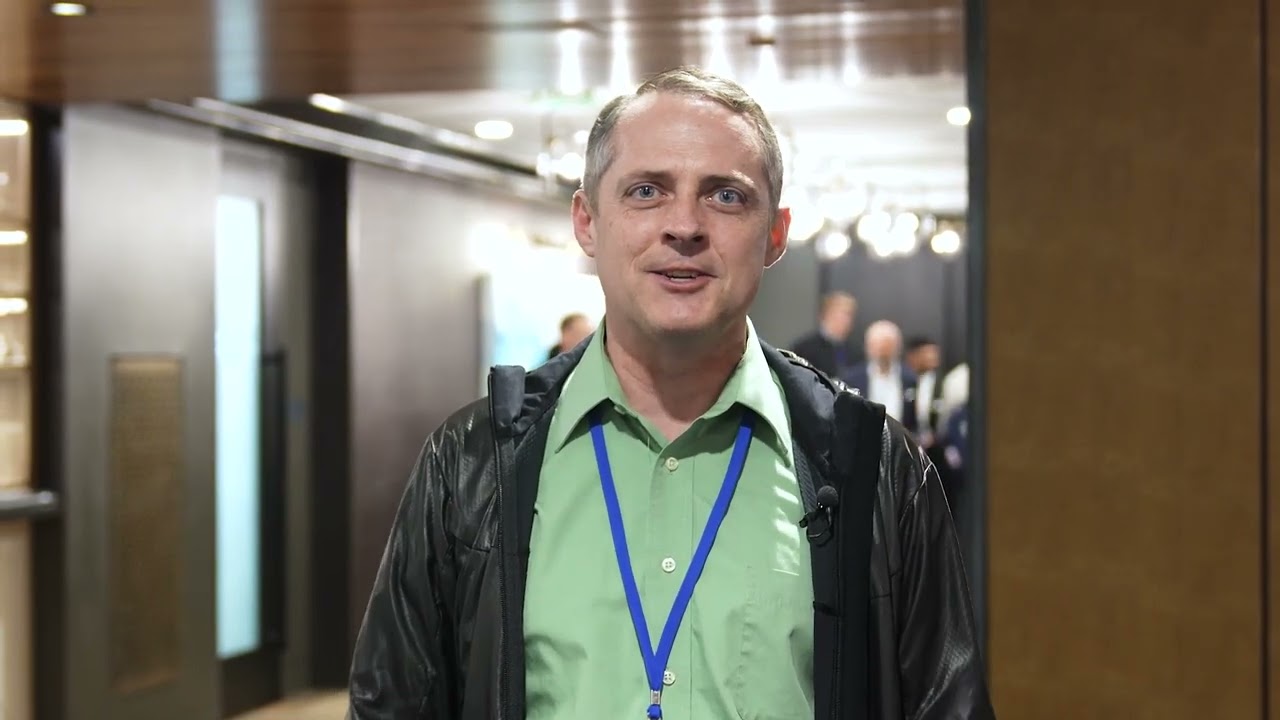

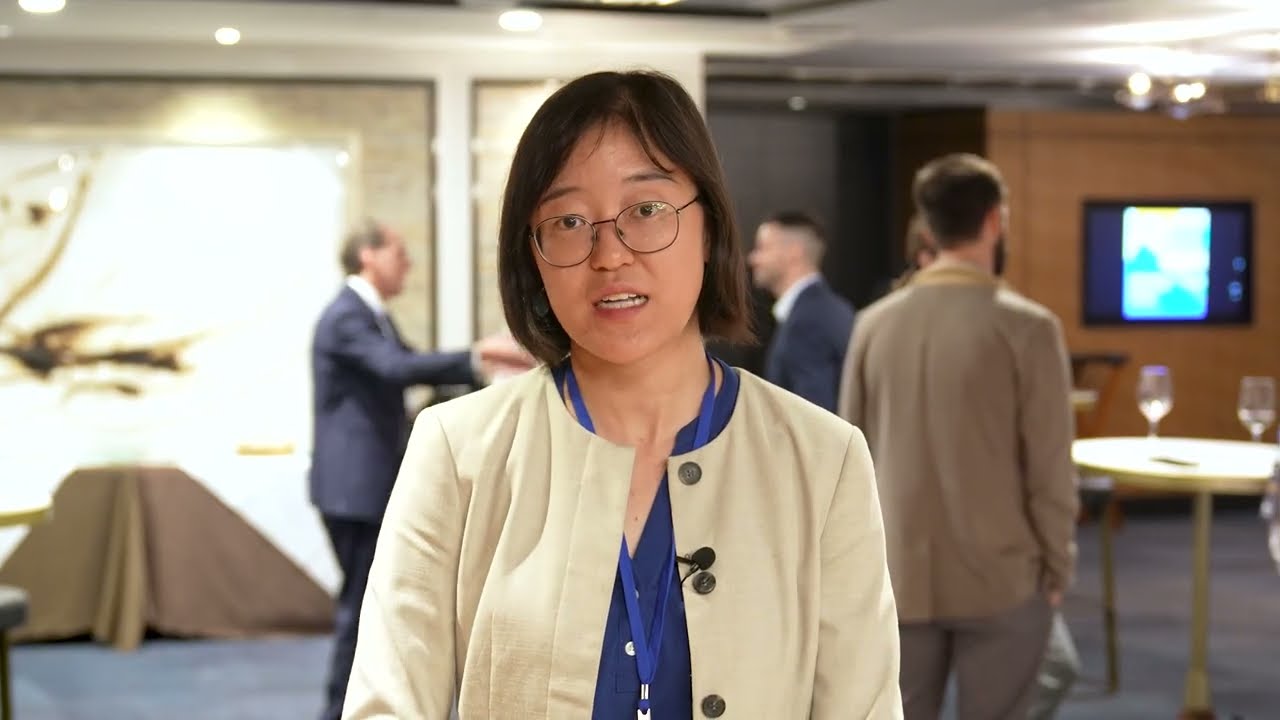
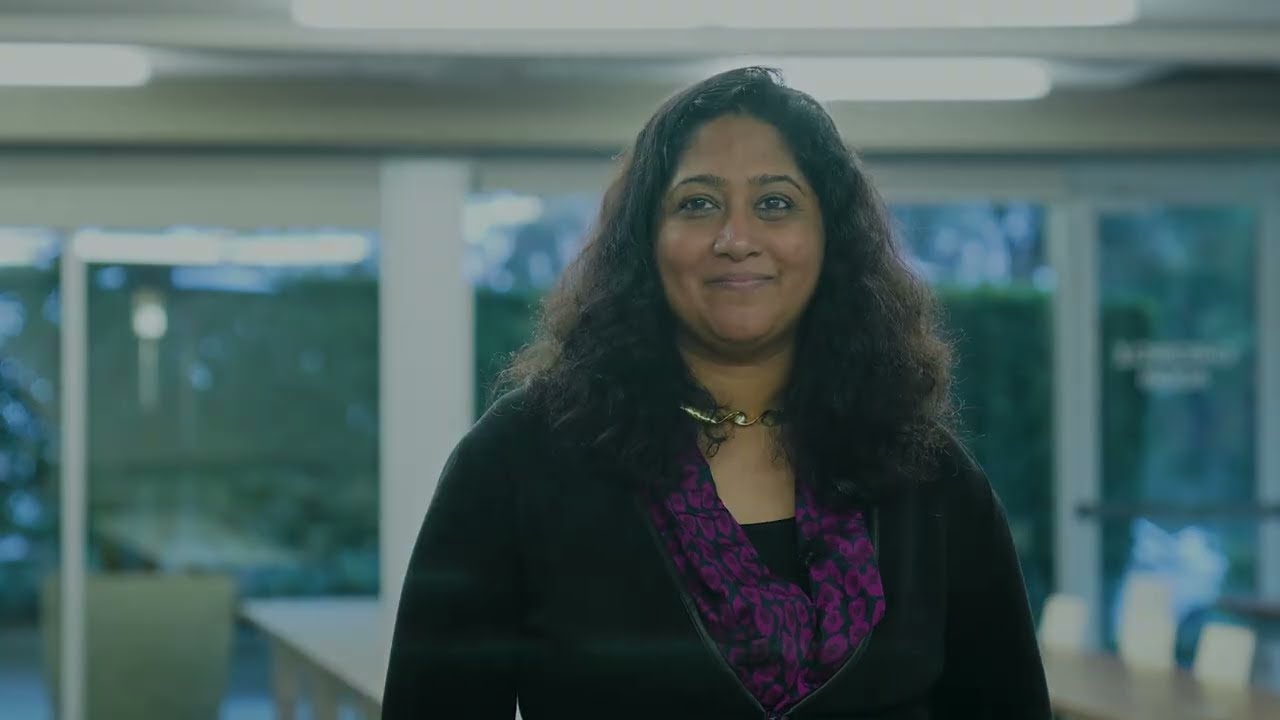

Exposure and Visibility
Networking Opportunities
Industry Insights
High-value connections
Thank you to all of our
2025
participants!
AirMyne
Alcove
AltaSea
ANA Future Frontier Fund
AQC Environmental Brokerage Services
Arbor Energy
Arizona State University
Arnold & Porter
Baker Botts L.L.P.
Battelle
Biochar Now
Caliber Strategies
California Air Resources Board
California Energy Commission
California Nevada Cement Association
California State Senate
Carbon Blade
Carbon Capture Machine (CCM)
Carbon Clean
Carbon Direct
Carbon Power Mexico
Cemex
Cipher News
Clean Energy Systems, Inc.
Cula Technologies
DNV
EarthXCG
Ecovyst Catalyst Technologies LLC.
EDF Renewables North America
Elimini
Equatic & UCLA Institute for Carbon Management
Ernst & Young
Fluor
Fortera
Four Fin Creative
Gentoo
Greenberg Traurig
GreenStruxure NA LLC
Halliburton
Harvestone Low Carbon Partners
HFA Oil
IBEW Local 428
Isometric
Japan Energy Fund
Keyframe Capital
Khasma Capital
MAN Energy Solutions
Marubeni America Corporation
Mitsubishi Corporation (Americas)
Munich Re Ventures
National Cement
National Institute of Standards and Technology
National Ready Mixed Concrete Association
Noya
Quantum Commodity Intelligence
RMI
San Diego State University
Saudi Aramco
Scripps Institution of Oceanography
Skytree
Southern California Gas Company
Stairs Dillenbeck Finley Mayer PLLC
Stanford University
Stantec
Tracerco
Twelve
U.C. Berkeley
U.S. Pipeline and Hazardous Materials
Safety Administration
UA Local 250
UA Local Union 230
University of Southern California
University of Texas at Austin
Wakefield BioChar
WL Gore & Associates
Yellen and Co.




FAQS
.png)
Is there a discount for government employees or students?


Is there block hotel pricing?
Is this event in person or virtual?
What are Insight Spotlights?